
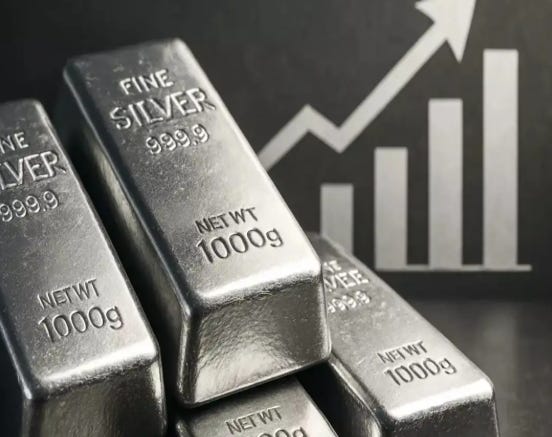
JPMorgan Chase has gradually shifted its silver market stance by closing major short positions in COMEX futures and increasing its physical silver holdings, with analyst estimates now placing its total controlled silver at around 750 million ounces. The pivot, which accelerated in 2025, comes as the global silver market faces multi-year structural deficits and elevated physical delivery activity on the COMEX exchange.
For years, JPMorgan ranked among the most active participants in silver futures, frequently appearing on the short side of the market as part of its commercial and hedging activities. This included substantial paper short exposure that market participants estimated at around 200 million ounces at times. By the second half of 2025, the bank had largely exited these short futures positions.
Delivery reports from early 2026 showed JPMorgan (alongside Citigroup) taking significant physical silver through the COMEX settlement process, including absorbing metal from other banks. This marked a clear departure from its historical pattern of rolling or closing positions to avoid taking delivery. JPMorgan operates the largest COMEX-approved silver depository in New York. Recent vault statistics show it holding approximately 138 million ounces, the majority in the eligible category, with a smaller registered (immediately deliverable) portion. The bank also serves as custodian for major silver exchange-traded products, including the iShares Silver Trust (SLV), which holds several hundred million ounces of physical metal in its vaults.
The repositioning aligns with JPMorgan Global Research’s constructive outlook on silver, which highlights chronic market deficits and strong industrial demand from solar power, electric vehicles, electronics, and AI-related infrastructure. According to the Silver Institute’s World Silver Survey 2026, the market recorded a fifth consecutive annual deficit of 40.3 million ounces in 2025, with a sixth deficit of 46.3 million ounces projected for 2026. By reducing futures shorts and standing for physical delivery, JPMorgan has removed a traditional source of downward pressure on paper prices while securing exposure to physical metal at a time when COMEX registered inventories have remained relatively tight and delivery volumes surged sharply in 2025.
The shift could influence near-term dynamics in several ways. Reduced commercial short selling may lessen one historical drag on prices during periods of strength. At the same time, JPMorgan’s vault dominance and role in the delivery process give it significant visibility into physical flows. In a bullish scenario, the combination of ongoing deficits, industrial demand growth, and lower paper overhang could support higher prices. A more volatile path remains possible given the concentration of activity among a small number of large intermediaries and the leverage inherent in futures markets. Conversely, any material slowdown in industrial offtake or improvement in mine supply could pressure prices, though JPMorgan’s own research suggests limited near-term expectation of such a reversal.
For now, it looks like the silver price is ‘free’ to evolve as it pleases, thanks to closing out of the historical shorts. Or is it?