
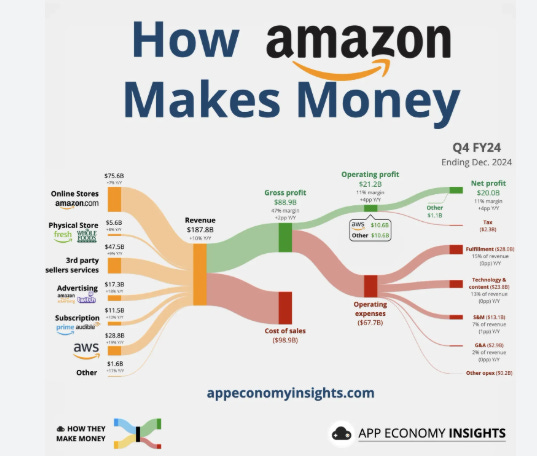
Amazon is scheduled to report first-quarter 2026 earnings after the bell today, April 29, but the number that will move the stock is already on the table: a $200 billion capital-expenditure plan for the year, with roughly 80% directed at AWS artificial-intelligence infrastructure, custom chips and data centres. The outlay, first flagged and defended by the CEO in February as underpinned by major customer commitments (including a multi-billion-dollar pact with OpenAI), has already squeezed free cash flow and left investors debating whether the world’s largest cloud provider is investing wisely or simply keeping pace in an arms race.
What would please investors is straightforward. Accelerating AWS revenue, steady or expanding operating margins, and tangible early returns from AI services—already running at more than $15 billion annualized—would signal that the spending is translating into market share and pricing power faster than skeptics expected.
Specific updates on how Trainium and Graviton chips are generating billions in annual savings would reinforce the narrative that Amazon is not merely building capacity but engineering a durable competitive edge.
The opposite scenario would sting. Any softening in AWS growth, fresh margin compression from the capex ramp, or vague timelines for payback would revive fears that the company is over-building ahead of demand. Hints that enterprise uptake is lagging the infrastructure build-out, or that free-cash-flow pressure will linger deeper into next year, could prompt renewed questions about the returns on what is shaping up as corporate America’s biggest single-year infrastructure wager.
Either way, the market’s immediate reaction is likely to be swift. A clean beat paired with confident guidance could lift shares 3% to 5% in after-hours trading; a miss or overly cautious tone risks a 4% to 6% drop, echoing the sell-off that followed the initial disclosure of the $200 billion figure late last year.
Independent of today’s print, Amazon’s direction is locked in. The $200 billion bet is a multi-year wager on structural AI tailwinds rather than a quarterly gamble. Execution risks remain real, yet the competitive moat around AWS only widens as AI adoption accelerates across the economy.
For long-term investors, the real question is not whether the spend is justified, but whether Amazon can convert infrastructure leadership into sustained, outsized returns.