
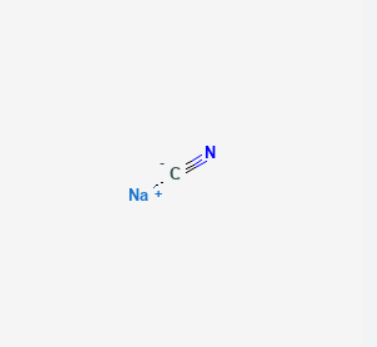
In the shadow of gold’s meme-stock-like rise—trading around $5,150 per ounce as of late February 2026—the mining sector is confronting an unexpected bottleneck: a shortage of sodium cyanide, the chemical workhorse behind roughly 90% of global gold extraction. This essential reagent, used in leaching processes to dissolve gold from ore, is seeing demand skyrocket, leaving producers scrambling and miners exploring alternatives.
The sodium cyanide market, valued at about $2.86 billion in 2025 and projected to grow to $4.33 billion by 2034 at a 4.71% CAGR, has long been tethered to the fortunes of precious metals extraction.
Cyanide supply is dominated by a handful of players, including Draslovka (the world’s largest), Orica, and Chemours. Mining accounts for over 80% of consumption, with the rest split among chemicals, electroplating, and pharmaceuticals.
Prices have climbed steadily, hitting $3,196 per metric ton in the U.S. by December 2025, due to raw material pressures like hydrogen cyanide and caustic soda, alongside robust offtake from heap leaching operations in key regions like North America, Asia-Pacific, and South America.
Global production capacity, estimated at around 1.5 million tons annually for hydrogen cyanide (a precursor), is expanding modestly, with new facilities announced in the U.S. and China to meet rising needs in nylon and animal feed intermediates.
Why the Sudden Shortage? The crunch materialized in late 2025 when Draslovka announced it had sold out its entire 2026 sodium cyanide output—the fastest sell-out in a decade—amid warnings of a global shortfall. This was triggered by the gold price boom, which in turn triggered a wave of mine expansions and new projects. Gold output is expected to rise 5-7% in 2026, but cyanide supply hasn’t kept pace (hydrogen cyanide production growing at less than 2% annually), exacerbated by logistical challenges and regulatory scrutiny over the chemical’s toxicity.
What Major Users Are Doing
Top gold producers like Barrick Gold and Newmont are feeling the pinch, with cyanide costs potentially rising 10-20% for spot buyers. In response, many are locking in long-term contracts or building stockpiles, but alternatives are gaining traction amid environmental pressures and supply risks.
Barrick, for instance, has rolled out Draslovka’s glycine-based leaching technology at commercial scale, blending it with reduced cyanide doses to achieve 85-92% recovery rates while cutting toxicity and costs. This “GlyCat” process, biodegradable and effective for complex ores, is being piloted at sites in Nevada and Africa. Other miners are testing thiosulfate or chloride systems, which offer 90%+ efficiency for certain deposits but require ore-specific tweaks.
In regions with cyanide bans, like parts of Europe, glycine is emerging as a full substitute, potentially reshaping 10-15% of global extraction by 2030.
It appears that a gold-rally driven cyanide shortage, not its toxicity, may be the catalyst that leads to its replacement by safer alternatives.