
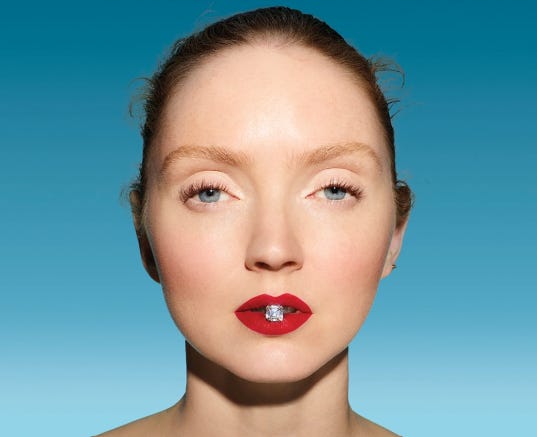
Somewhere in Cotswolds, diamonds are being grown from the sky. No mines. No fossil fuels. Just four ingredients pulled straight from the atmosphere: carbon dioxide captured directly from the air, rainwater, wind power, and sunlight.
The result is Skydiamond, the world’s first verified carbon-negative laboratory-grown diamond. The company uses direct-air-capture technology to extract CO₂, converts it into a high-purity feedstock, and crystallizes it inside plasma reactors running on 100% renewable energy. Every carat produced removes more greenhouse gases than it emits — a 99.79% reduction compared with mined diamonds, according to independent audits. Skydiamond is marketing its gems as not just conflict-free but climate-positive.
The stones are certified under the same 4Cs standards as natural diamonds and are now being set into fine jewelry sold through the company’s own collections. The timing is no accident. Lab-grown diamonds have surged from a niche to roughly one-third of global diamond sales in the past decade, driven by younger buyers who want luxury without the environmental cost.
Skydiamond is carving out the ultra-premium end of that shift: its stones command prices closer to natural diamonds while offering a story that resonates with ESG-focused consumers and high-end jewelers.
For now, production remains boutique. But the company is scaling, with plans to expand its atmospheric diamond “mines” as carbon-capture costs continue to fall.
Ironically, in an industry long defined by scarcity and extraction, once it scales, its competitive advantage may disappear.
But for now, the sales pitch is appealing.