
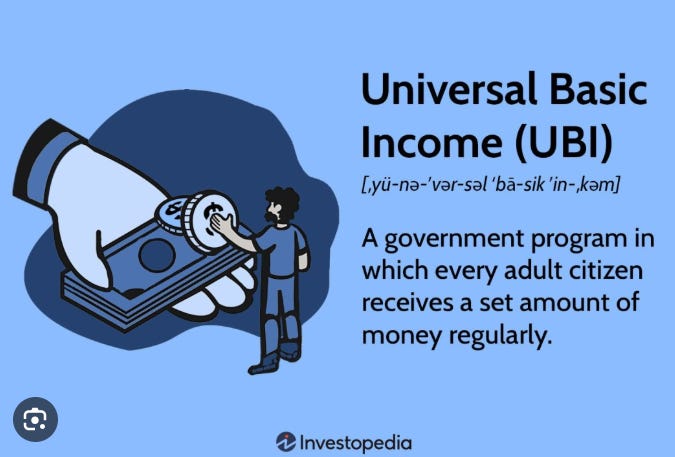
Universal Basic Income (UBI) is often spoken about as one way to radically reduce inequality and the societal ills that go with it. UBI pilots worldwide are providing fresh data on whether this unconditional cash can reshape economies. From rural Kenya to urban Los Angeles, experiments reveal boosts in well-being and poverty reduction, yet highlight fading effects and fiscal strains that question UBI’s sustainability and scalability.
Early Wins in Health and Security
Pilot programs consistently demonstrate short-term gains in mental health and basic needs. In the largest U.S. trial, backed by OpenAI, a few thousand low-income participants in Illinois and Texas received $1,000 monthly for three years. Recipients reported sharp reductions in stress and improved mental health in the first year, alongside better food security.
Similarly, Los Angeles’ BIG:LEAP program, distributing $1,000 monthly to 3,200 poor households for a year, cut food insecurity, enhanced financial resilience for emergencies, and reduced intimate partner violence by enabling exits from abusive situations.
Canada’s 1970s Mincome experiment in Dauphin, Manitoba, slashed hospitalizations by 8.5%, mainly from fewer accidents and mental health issues, while boosting high school graduation rates.
In developing nations, Kenya’s long-term GiveDirectly transfers improved consumption, savings, and local economies, with multipliers up to $2.52 per dollar spent. World Bank analysis of pilots in India, Namibia, and Iran shows poverty drops, better education enrolment, and health gains without major work disincentives.
Concerns Over Work, Inflation, Fade-Out, and Viability
Critics worry about unintended downsides. The U.S. OpenAI study found a 2% dip in labour participation—about 1.3 fewer hours worked weekly—mostly among young single parents prioritizing leisure or family.
Benefits often wane: Mental health and food security improvements in the U.S. trial faded by years two and three, partly due to expiring pandemic aid.
Costs loom large. Iran’s nationwide cash program, replacing subsidies, eroded 75% of its value through inflation and sanctions, while Mongolia’s resource-funded UBI ended amid debt spikes.
Some trials note potential price hikes in isolated markets or resentment from non-recipients in partial pilots.
Viability varies by context. In low-income countries, UBI could replace inefficient multiple subsidies, but requires 7-20% of GDP for meaningful levels, according to World Bank, straining budgets.
Developed nations like Finland and Canada saw pilots axed due to political shifts and rising costs—Mincome folded amid 1970s inflation.
Yet, targeted or gradual rollouts show promise. Alaska’s oil-funded dividend sustains poverty reduction without aggregate job losses.
It appears that UBI excels as an initial poverty floor, not a long-term cure-all, and looses public support when taxes are needed for funding. These pilots suggest that there could be room for UBI, but its success depends on fit-for purpose design, not a cut-and-paste dogmatic implementation that strains the public purse. UBI should be designed as an investment whose returns will exceed the cost of implementation.