
Science fiction has always served as a powerful blueprint, planting ambitious ideas in the minds of inventors and entrepreneurs who later make them real.
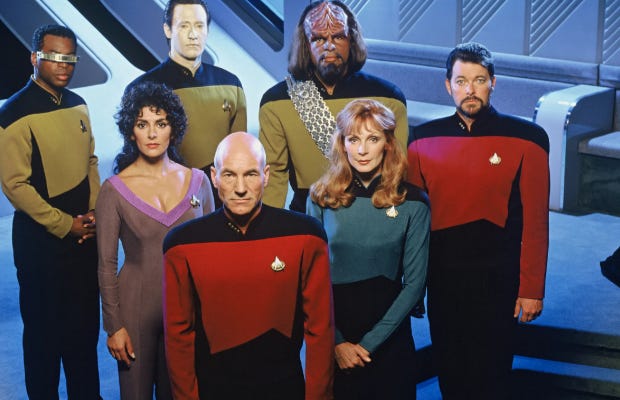
The flip phones and video calls of Star Trek helped inspire the smartphone era. Arthur C. Clarke described satellite communications long before they existed. Voice assistants echo the talking computers of classic tales.
These stories didn’t just predict the future—they made it feel achievable and worth the effort to build. That same dynamic is playing out today at unprecedented scale. Visionary projects once dismissed as fantasy are now attracting serious capital and engineering talent.
SpaceX’s extraordinary valuation (more than 100x revenue, and loss-making) reflects investor conviction that reusable rockets and multi-planetary ambitions can move from sci-fi trope to operational reality. Across NASDAQ-listed companies, similar transformations are underway. Various companies are developing humanoid robots and autonomous vehicles that bring classic robot and self-driving narratives to life. Rocket Lab is making small-satellite launches routine and affordable, steadily expanding humanity’s reach into orbit. Artificial-intelligence leaders are building systems that increasingly resemble the intelligent machines once confined to novels.
However, turning speculative concepts into working hardware requires billions in sustained investment. High valuations signal strong belief in long-term payoffs, yet they also embed real risks—technical delays, regulatory hurdles, and the possibility that timelines stretch further than hoped. Capital markets continue to fund the frontier because history shows that Science fiction does more than entertain or forecast.
The fictional stories we geek about today are quietly directing the engineering, funding, and policy decisions that will define the world of tomorrow.