
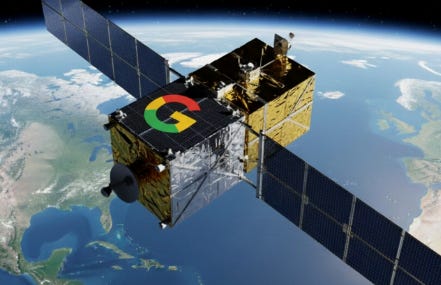
Artificial intelligence compute is demands are projected to hover near 8% of global power by 2030. Tech giants are looking skyward for solutions. The logic is compelling: Space offers limitless solar energy, natural cooling in the vacuum, and boundless scalability without Earth’s land or grid constraints. Proponents argue that orbital data centres could slash costs by 90% compared to terrestrial ones, harnessing constant sunlight and radiative heat dissipation while avoiding regulatory hurdles on the ground.
Yet challenges abound, including high launch expenses (currently $2,000 per kilogram, expected to drop below $200 by the mid-2030s), radiation hardening for chips, and inter-satellite laser links needing tens of terabits per second for seamless operation.
SpaceX is leading the charge, planning solar-powered AI satellite clusters via its Starship rocket, with Musk predicting space as the “lowest-cost place” for AI within two to three years. A potential merger with xAI could accelerate the goal, funded partly by SpaceX’s anticipated IPO.
Rival Jeff Bezos’s Blue Origin has quietly assembled a team for orbital data storage spacecraft, eyeing similar efficiencies. Alphabet’s Google is advancing Project Suncatcher, aiming to deploy TPU-equipped satellites in close formations for high-bandwidth computing, with prototypes launching in 2027.
OpenAI’s Sam Altman has explored acquisitions like Stoke Space to build an orbital fleet, while Nvidia backs startups deploying its GPUs in test satellites.
Even China is racing ahead, vowing space-based AI centres in five years to counter U.S. dominance.
If successful, this celestial pivot could redefine AI infrastructure, turning the night sky into a glittering network of compute power.
It looks like starts are aligning for bold bets to be made by the tech giants.