
As the world grapples with net-zero ambitions, Bhutan, a Himalayan kingdom of 770,000 human inhabitants, has already long crossed the finish line as the planet’s first carbon-negative nation. In 2020, its sprawling forests, blanketing 72% of its 38,000 square kilometres, sequestered 8.9 million tons of CO2-equivalent annually, per Bhutan’s climate reports. Compare that to the mere 2.2 million tons emitted from agriculture, transport, and energy, and Bhutan boasts a net carbon sink of 6.7 million tons—a figure that humbles global climate pledges.
This isn’t luck; it’s policy.
Bhutan’s constitution mandates at least 60% forest cover in perpetuity, reinforced by a 1999 ban on log exports, transforming its terrain into a carbon fortress. Its rivers power the nation’s grid, producing 11,000 gigawatt-hours of hydroelectricity yearly, nearly all renewable. Exports of 80% of this energy to India offset 4.4 million tons of regional CO2 emissions today, with projections climbing to 22.4 million tons by 2025, according to Bhutan’s energy ministry.
Yet Bhutan’s story transcends emissions.
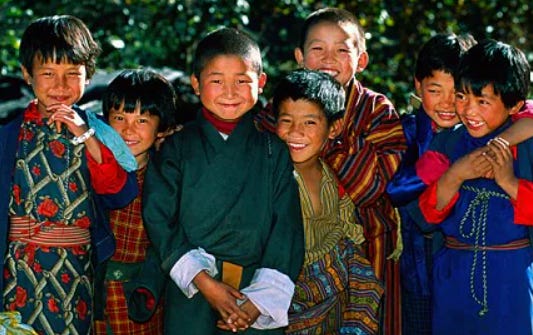
Its Gross National Happiness (GNH) framework, adopted in the 1970s, prioritizes well-being over GDP, earning it the title of Asia’s happiest nation in the 2024 World Happiness Report.
In a warming world, Bhutan’s blend of 6.7 million tons net-negative and unyielding joy proves sustainability can be a blueprint for prosperity.